Foundation Repair Company in Wylie, TX for Homes on Shifting Clay Soil
Wylie sits on Blackland Prairie clay, some of the most expansive soil in the country. It swells after spring and fall storms, then shrinks and cracks open during 100°F summers, and it can push a slab around by inches over a single year. That's why so many homes here, including ones that are only 10 years old, end up with stair-step brick cracks, sloping floors and doors that won't latch. Wylie Foundation Repair Solutions finds out what's actually moving your house, explains it in plain language and fixes it with methods suited to North Texas soil.
We've worked on Wylie-area foundations since 2020. That means post-tension slabs in Woodbridge and Birmingham Farms, older pier-and-beam homes near Ballard Street, and new builds on former farmland around Lavon and Royse City. Our crews also cover Sachse, Murphy, Lucas and Parker. Every Wylie inspection includes elevation measurements, photos and a written explanation of the cause. After that you get clear repair options, an honest timeline and practical tips for protecting your foundation.
Serving Wylie-area homeowners since 2020
Bonded and insured
Elevation measurements and photos at every inspection
Written explanation of the cause before any repair
Mon-Fri: 7:00 AM - 9:00 PM Sat-Sun: 7:00 AM - 6:00 PM
715 Cooper Dr, Wylie, TX, 75098
Serving Wylie Since2020
Service Radius20-Mile
Communities Served18
Inspections Include Elevation Readings100%
Credentials
Trusted by Wylie-Area Homeowners Since 2020
Homeowners around Wylie tell us what they value most: clear measurements, honest explanations and no pressure. Ask us about our written findings during your inspection.
Bonded
Insured
Financing available
Bonded & Insured
6+ Years in Business
Financing Available
Why Wylie
Why Wylie Homes Need Foundation Repair More Than Most
Foundation trouble in Wylie usually isn't the builder's fault or the homeowner's. It comes from the ground under the house. Three local factors explain why: the soil and climate, how and when the area was built, and the permit and paperwork rules that come into play when it's time to fix it.
Blackland Prairie Clay and a Soak-Then-Bake Climate
Southeastern Collin County sits on Houston Black and Austin clays loaded with montmorillonite. These soils have high plasticity indices, so they absorb water and swell, then shrink hard as they dry out. Wylie averages about 40 inches of rain a year, but it doesn't come evenly. Heavy storms arrive from April through June and again in fall, and in between come long summers in the mid-to-upper 90s with stretches over 100°F. 2011, 2022 and 2023 were especially bad. By late summer the clay pulls away from the slab edge and the perimeter settles. Then fall rains swell it back up fast. Big live oaks, cedar elms and pecans pull even more moisture from under the slab. Austin Chalk lies at different depths across the area, so pier depths can vary within a single lot.
A Fast-Built Suburb on Post-Tension Slabs
Most of Wylie went up between the late 1990s and today. It's mostly tract and semi-custom homes on post-tensioned slab-on-grade foundations with brick veneer. These slabs hold up well, but they still flex with the clay, which is why owners of 5- to 20-year-old homes are often surprised to see movement after their builder warranty has run out. Historic Downtown Wylie still has early- and mid-20th-century pier-and-beam houses with rotted sills, failed shims and poorly vented crawlspaces. Nearby Garland, Richardson and Rowlett have 40- to 70-year-old rebar slabs, many with cast-iron drain lines under them that are prone to leaks. In Princeton, Fate and Lavon, new homes sit on recently converted farmland where the quality of fill and soil prep varies.
Permits, Engineers, HOAs and Real Estate Deadlines
Texas doesn't license foundation repair contractors, so homeowners rely on engineering documentation and written warranties to judge who's credible. Many lenders and buyers ask for a Texas-licensed Professional Engineer's letter. Permit rules vary from city to city. Wylie, Plano, Garland and McKinney each handle foundation work differently, so we confirm the requirements before we start. Texas 811 locates are required before any digging or tunneling. Under-slab plumbing tests and repairs must be done by a TSBPE-licensed plumber. HOAs in Woodbridge, Inspiration and Birmingham Farms may restrict work hours, equipment staging and landscape restoration. Historic Downtown Wylie has design guidelines for visible exterior work. Fast home sales add pressure, because a TREC inspector's foundation flag can leave only days to get answers.
Wylie Foundation Repair Solutions Foundation Repair Company in Wylie, TX work in Wylie, TX
Services
Foundation Repair Services for Wylie-Area Homes and Buildings
We don't sell one fix for every house. Once we've measured elevations and found the cause, we match the repair to your foundation type, your soil and your budget. Below is how our services fit the homes and conditions around Wylie, from post-tension slabs to century-old crawlspace homes.
Featured
Foundation Repairs, House & Slab Foundation Repair
We stabilize and repair settling or heaving slab foundations in homes of every age, from 1970s rebar slabs to today's post-tension builds. This covers house foundation repair, slab foundation repair, poured concrete foundation repair and concrete foundation repair.
Methods
Pressed concrete piles and steel piers driven to load-bearing strata, with drilled concrete piers where the chalk layer is shallow. Pier placement follows the elevation survey, so we don't guess at pier counts.
Locally
Depth to Austin Chalk varies across Wylie, Murphy and Sachse, so we adjust pier depth to each lot. Post-tension slabs need care around the tendons, so we plan the work to avoid damaging them.
Best for
Homes with brick cracks, sticking doors, sloping floors, or an inspection report flagging movement, especially 5- to 25-year-old homes past their builder warranty.
Foundation Raising, Concrete Foundation Leveling & Slab Leveling
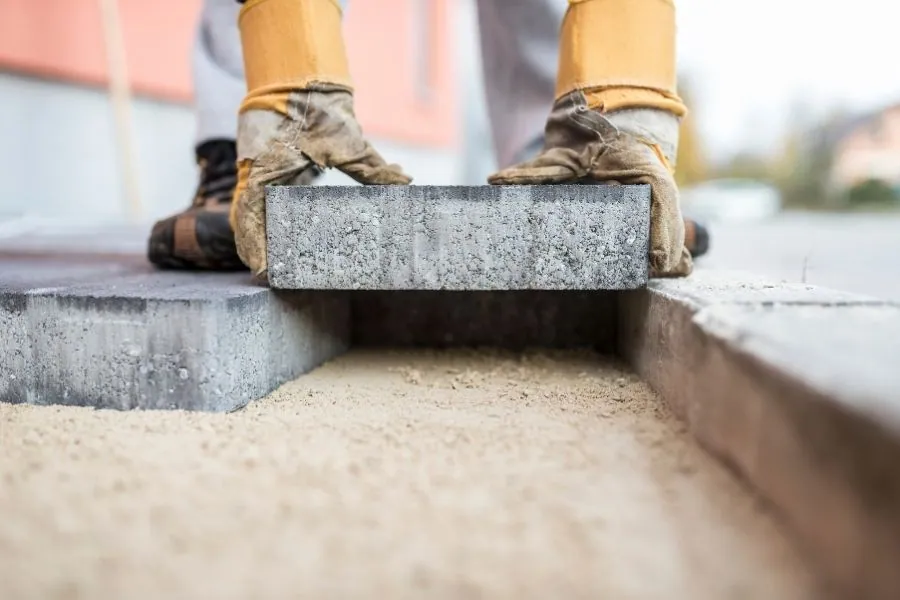
We lift settled sections of a foundation back toward level and level sunken concrete slabs. That includes foundation raising, concrete foundation leveling and concrete slab leveling for houses, garages and flatwork.
Methods
Controlled hydraulic lifting on piers, monitored with elevation readings, then shimming. We raise slowly to reduce strain on drywall, tile and plumbing, and we tell you upfront what's realistic.
Locally
On expansive clay, perfectly level isn't realistic and forcing it causes damage. We aim for practical, stable results that hold up through Wylie's wet and dry seasons.
Best for
Homeowners with measurable floor slope, doors that won't latch, or sections of slab or driveway that have dropped noticeably.
Pier and Beam Foundation Repair & Crawl Space Repair
We repair crawlspace foundations, including pier and beam foundation repair, crawl space repair, stem wall repair and concrete pier foundation repair, for older homes with sagging floors.
Methods
Steel shim replacement, added support piers, sill and beam replacement, stem wall patching and reinforcement, and crawlspace drainage and ventilation improvements.
Locally
Common in Historic Downtown Wylie and older Garland and Richardson homes. Any visible exterior work on historic properties is planned with downtown design guidelines in mind.
Best for
Older homes with bouncy floors, musty crawlspaces, rotted sills or failed shims.
Crawl Space Foundation Construction, Foundation Installation & Foundations
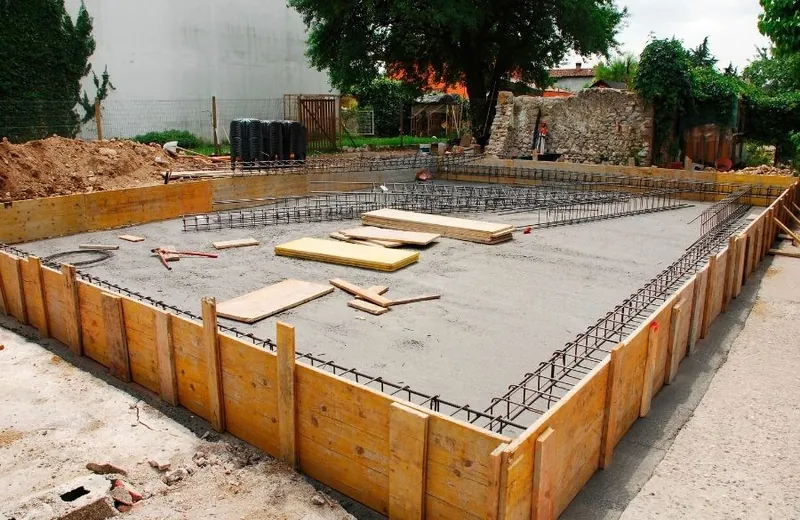
We build new foundations and crawl space foundations for additions, outbuildings and replacement projects, and we install foundations designed for expansive clay from day one.
Methods
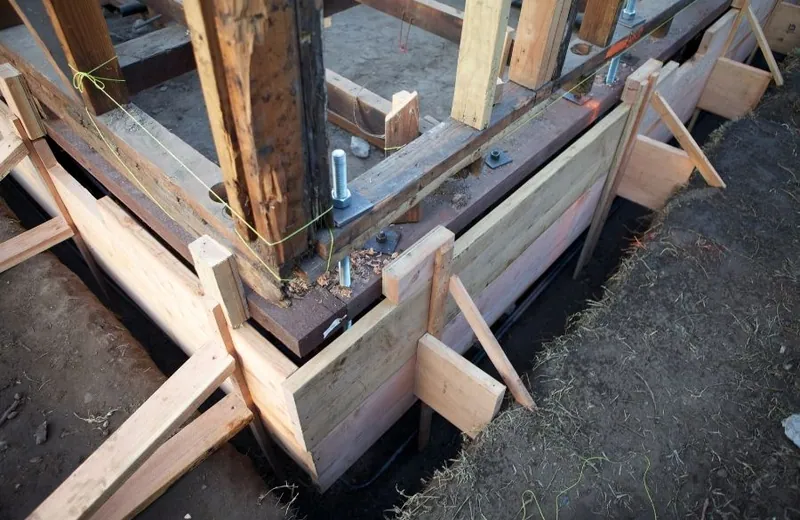
Site evaluation, soil-appropriate pier or beam design, proper forming and reinforcement, and drainage planned into the build. We coordinate with any required engineering and permits.
Locally
New farmland lots in Princeton, Fate and Royse City and acreage in Lucas and Parker each come with different fill and soil conditions, so we check what's actually there before building.
Best for
Additions, detached structures, and homeowners replacing a failed foundation section.
Foundation Crack Repair, Patching, Wall & Floor Crack Repair
We seal and repair cracks in slabs, walls and floors, including foundation crack repair, foundation patching, foundation wall repair, concrete wall crack repair, concrete floor crack repair and concrete block foundation repair.
Methods
Epoxy or polyurethane injection, routing and sealing, patching mortars and block repair. First we decide whether a crack is cosmetic or a sign of movement that has to be addressed.
Locally
Cracks in Wylie often open in late summer and close after fall rains. We document width and location so you can tell seasonal shrinkage from ongoing structural movement.
Best for
Visible cracks you want sealed and evaluated, especially when you're unsure whether they're serious.
Concrete Repairs, Sealing & Foundation Reinforcement
We restore and protect existing concrete with general concrete repairs, concrete foundation sealing and concrete foundation reinforcement for weakened or spalling foundation sections.
Methods
Surface restoration, waterproof sealing of exposed slab edges, and reinforcement such as added piers or structural repairs where concrete has deteriorated.
Locally
Exposed slab edges in Wylie take a beating from summer heat and pooled storm water. Sealing and reinforcing them helps keep moisture from getting into the edges.
Best for
Aging or spalling concrete, exposed slab edges and foundations that need added strength.
We design and install drainage that keeps water from pooling at your slab. It's often the most cost-effective way to prevent clay-driven movement.
Methods
French drains, surface and channel drains, downspout extensions and underground lines, regrading, and root barriers where trees are drawing moisture from under the slab.
Locally
Flat prairie lots, tight side yards in Woodbridge and Bozman Farms, and lakeside properties near Lake Lavon and Lake Ray Hubbard all need water directed away from the foundation.
Best for
Homes with ponding, heave after rains, or new repairs that need protection.
We handle the foundation side of under-slab leaks, including access, tunneling and restoration, and work alongside a licensed Texas plumber who tests and repairs the lines.
Methods
Tunneling under the slab or opening the floor where needed, followed by proper backfill and compaction and a post-repair foundation evaluation.
Locally
Common in Garland, Richardson and Rowlett homes with old cast-iron drains, and in homes with lingering damage from Winter Storm Uri.
Best for
Homes with high water bills, warm floor spots or new cracks near plumbing.
We repair foundations under small commercial buildings, retail spaces and offices around the Wylie area.
Methods
Piering, slab leveling, crack repair and drainage, scheduled to keep disruption to your business as low as possible.
Locally
Commercial slabs along SH-78 and FM 544 sit on the same expansive clay as nearby homes, and they often have large parking lots that send runoff toward the building.
Best for
Business owners and property managers with cracking slabs, sticking doors or drainage problems.
Wylie Foundation Repair Solutions Foundation Repair Company in Wylie, TX project in Wylie, TX (2)
Common problems
Common Foundation Problems We See Around Wylie
Almost every foundation call we get in Wylie traces back to clay moving with the moisture. How that movement shows up depends on the home's age, the slab type, the lot's drainage and the trees nearby. Here are the problems we see most, from urgent to minor, and what usually causes them.
Perimeter Slab Settlement (Edge Drop)
Serious
The outer edge of the slab sinks as the clay underneath dries out and shrinks. The center stays put while corners and edges drop, which shows up as cracked brick and binding doors. It's the most common structural problem we diagnose in Collin County homes.
Why it's common
Summers in Wylie routinely go weeks without real rain while temperatures sit near or above 100°F. The clay at the edge of the slab loses moisture first and pulls away, leaving visible gaps in the soil. Flat prairie lots and short downspouts make it worse, because the edge gets soaked in storms and then bakes dry. City watering restrictions during droughts make it hard to keep the soil moisture steady, so the perimeter keeps dropping a little more each year until it's supported.
Signs
Stair-step cracks in exterior brick, especially at corners
Gaps between window frames and brick
Exterior doors that drag or won't latch
Visible soil gap along the slab edge in August
Drywall cracks running diagonally from door corners
Separation where the garage meets the house
Local patterns
Common in late-1990s to 2000s subdivisions like Woodbridge and Sage Creek once builder warranties expire. Corners facing west and south, which get the most afternoon sun, usually settle first. Cracks tend to open in August and September and partly close after the October rains.
Our fix
Pressed concrete piles or steel piers driven to refusal along the affected edge, then careful lifting and shimming. We pair this with drainage and moisture recommendations so the problem doesn't simply move elsewhere.
Slab Heave After Heavy Rains
Serious
Heave is upward movement. Clay under part of the slab absorbs water and swells, lifting the interior or one section above the rest. It's often mistaken for settlement, and treating heave as if it were settlement can make the damage worse.
Why it's common
Wylie's spring and fall storms can drop several inches of rain in a day onto clay that's been cracked open all summer. Water runs down those cracks and the soil swells fast. Hail-season gutter damage and clogged downspouts concentrate that water at one spot on the foundation. Heave also shows up in the middle of the slab when leaking plumbing or trapped moisture keeps the soil wet while the edges dry out, creating a dome shape.
Signs
Floors that feel humped in the middle of the house
Interior doors sticking at the top of the frame
Cracked floor tile in a raised area
Cracks that appear right after a rainy stretch
Baseboards pulling away from the floor
Local patterns
Seen after wet springs throughout Wylie and Sachse, and in Lavon-area homes near Lake Lavon where groundwater runs higher. Lots with low spots or poor grading toward the house are especially vulnerable.
Our fix
Elevation mapping to confirm heave, a check for leaks, and then correcting drainage and moisture. Usually that means drains and grading rather than piers, sometimes combined with selective leveling once the soil stabilizes.
Under-Slab Plumbing Leaks
Emergency
A pressurized supply line or drain line under the slab leaks into the clay. That saturates the soil, which can heave the slab or wash out support. The leak may have caused the movement, or the movement may have cracked the pipe.
Why it's common
Winter Storm Uri in February 2021 caused freeze damage all over the area, and some of those weakened lines are still failing. In Garland, Richardson and Rowlett, 40- to 70-year-old homes often have cast-iron drains under the slab that corrode and crack. Because the clay reacts so strongly to water, even a slow leak can lift a section of floor within months. Owners often aren't sure whether to call a plumber or a foundation company first.
Signs
Unexplained jump in the water bill
Warm spots on the floor (hot-water line)
Damp carpet or musty smell with no visible source
Sound of running water when fixtures are off
New floor cracks near bathrooms or the kitchen
Slow drains or sewer odors
Local patterns
Most common in older blocks of Garland, Richardson's Canyon Creek and east Plano with original cast-iron drains. We also see post-Uri supply-line leaks in 2000s-era Wylie and Murphy homes.
Our fix
A licensed plumber does pressure and hydrostatic testing to confirm the leak. We tunnel under the slab or open the floor so it can be repaired, then backfill properly and evaluate the foundation once the soil dries.
Pier-and-Beam Sagging and Failed Shims
Moderate
In crawlspace homes, wood beams and sills sit on piers with shims between them. Over decades the shims compress or rot, beams sag, and sills decay. The result is bouncy, sloping floors and gaps at the walls.
Why it's common
Historic Downtown Wylie and older parts of Garland and Richardson have pier-and-beam homes from the early and mid-1900s. Poor crawlspace ventilation, clay that stays wet after storms, and water that ponds under the house all speed up wood rot. The concrete piers themselves move with the expansive soil, so shims that were snug years ago end up loose, cracked or gone.
Signs
Bouncy or springy floors
Noticeable floor slope you can feel walking
Musty odor or high humidity in the house
Visible rot or termite damage on sills
Gaps between floor and baseboard
Standing water in the crawlspace after rain
Local patterns
Concentrated around Ballard Street and the older blocks of downtown Wylie, older Garland neighborhoods, and some original Richardson homes. Crawlspaces on the low side of the lot usually hold the most water.
Our fix
Re-shimming with steel shims, adding piers where spans are too long, replacing rotted sills or beams, and improving crawlspace drainage and ventilation.
Tree-Root Moisture Loss
Moderate
Large trees close to the house pull moisture from the clay under the foundation. That causes concentrated shrinkage and settlement on the side of the house nearest the tree, sometimes long after the tree was planted.
Why it's common
Wylie's established neighborhoods have had 20-plus years for live oaks, cedar elms, pecans and Bradford pears to mature. One mature tree can pull a lot of water from the soil every day in summer, and the roots reach under the slab. Combined with drought and watering restrictions, that leaves a dry pocket under one part of the house while the rest stays relatively stable.
Signs
Cracks concentrated on the tree side of the house
Sloping floor toward one corner
Soil gaps widest near the tree
Brick separation near windows on that wall
Roots visible at the slab edge
Local patterns
Common in older parts of Wylie, Canyon Creek in Richardson and mature lots in Sachse and Rowlett. In Lucas and Parker, large homes on acreage often have heritage oaks close to the structure.
Our fix
Root barriers installed along the slab and piering if the settlement needs it, plus a watering and moisture plan so you can keep the tree and still protect the foundation.
Poor Drainage and Ponding at the Slab
Minor
Water collects against the foundation instead of flowing away from it. Flat lots, settled flowerbeds, short downspouts and fences that block flow all keep the soil at the slab edge wet, and that sets up the swell-and-shrink cycle.
Why it's common
Prairie lots are naturally flat, and rapid construction often left grading at the bare minimum. North Texas hail and spring storms damage gutters and dislodge downspout extensions. Over the years, homeowners add flowerbeds that slope toward the slab or patios that trap water. Near Lake Lavon and Lake Ray Hubbard, groundwater patterns can keep low areas soggy for days.
Signs
Puddles near the foundation a day after rain
Erosion lines or washed-out mulch beds
Downspouts emptying right at the slab
Mildew or efflorescence on exposed slab
Soggy side yards between houses
Local patterns
Very common in zero-lot-line and tight side-yard homes in Wylie and Sachse subdivisions, newer Princeton and Fate builds, and lakeside lots in Heath and Rowlett's Waterview.
Our fix
French drains, surface drains, downspout extensions and regrading so water moves away from the slab before it can cause movement.
Cracked or Tilted Driveways and Garage Slabs
Minor
Flatwork such as driveways, garage floors, walkways and patios sits directly on the clay with far less reinforcement than a house slab. Sections crack, sink or tilt, creating trip hazards and steering water back toward the house.
Why it's common
The same clay cycles that move houses hit flatwork harder because it's thinner and lighter. Fill near the garage apron often wasn't compacted well during fast builds, especially on new farmland subdivisions. When a driveway section tilts toward the house, it funnels rainwater straight to the foundation edge.
Signs
Driveway sections that have dropped or lifted
Gap between the garage slab and driveway
Cracks running across the garage floor
Walkway trip edges
Water pooling at the garage door
Local patterns
Frequent in newer Royse City, Fate and Lavon subdivisions on converted farmland, and in 2000s Wylie and Murphy homes where the apron has settled away from the garage.
Our fix
Slab leveling, crack repair and sealing, and joint repair, plus garage foundation repair where the structural edge itself has moved.
Process
Our Foundation Repair Process, Step by Step
There's no high-pressure pitch and no padded pier count. Here's what happens from your first call until the work is done, so you know what to expect at each stage.
1
Call and Schedule Your Inspection
Usually within a few days; sooner for real estate deadlines
We ask what you're seeing and how long it's been happening
We flag urgent issues like suspected slab leaks
We schedule a time that fits your week or your option period
Local: If you're under contract, tell us your option-period deadline and we'll prioritize your visit.
2
On-Site Inspection and Elevation Survey
About 1–2 hours on site
Floor elevation measurements throughout the home
Photos of interior and exterior cracks
Drainage, grading, gutter and tree review
Crawlspace inspection for pier-and-beam homes
Local: Season matters here. We account for late-summer shrinkage or post-rain swelling when we read the measurements.
3
Written Findings and Repair Options
Typically within a few days
Plain-language explanation of the cause
Clear repair options with pricing
An honest timeline and what results to realistically expect
Practical maintenance tips you can start now
Local: We'll tell you if your city, lender or buyer is likely to require a permit or a licensed engineer's letter.
4
Permits, Locates and Repair Work
Most slab piering jobs take 1–3 days; larger jobs take longer
City permits confirmed where required
Texas 811 utility locates before digging
Piering, leveling, drainage or crawlspace work
Plumbing tests coordinated with a licensed plumber when needed
Local: In HOA communities like Woodbridge or Birmingham Farms, we work within association rules for hours and staging.
5
Cleanup, Restoration and Follow-Up
Final day of the project
Backfill and compaction of excavated areas
Site cleanup and landscaping restoration
Final elevation readings for your records
Guidance on watering and drainage going forward
Local: Keep your final elevation readings with your home records. Buyers and inspectors often ask for them at resale.
Why choose us
Why Wylie Homeowners Choose Us
We Know Blackland Prairie Clay
Foundations in Wylie behave differently than they do in sandier parts of Texas. We've worked on homes in this area since 2020 and know how Houston Black clay acts after a wet May or a 100-degree August. We also know Austin Chalk depth can change from one side of a lot to the other, and that the post-tension slabs common in Woodbridge and Sage Creek need careful handling. That local experience helps us tell seasonal cracking from real structural movement, so you don't pay for repairs you don't need.
Answers in Writing, Not a Sales Pitch
Every inspection comes with elevation measurements, photos and a written explanation of what's causing the problem. You'll see the data that supports any recommendation, and you'll get clear options, not one take-it-or-leave-it number. If drainage correction or a root barrier will solve the problem, we'll say so. Many Wylie homeowners have heard stories about inflated pier counts. We'd rather earn your trust by showing our reasoning and letting you decide without pressure.
Bonded and Insured on Every Job
Texas doesn't issue a state license for foundation repair, so it's up to homeowners to check who they're hiring. We're bonded and insured, which protects you and your property while heavy equipment, excavation and lifting are happening around your home. We also follow the rules that do apply. That means Texas 811 locates before we dig, city permits where required, and licensed Texas plumbers for any under-slab plumbing tests or repairs.
Slab and Pier-and-Beam Expertise
A 2015 post-tension slab in Bozman Farms and a 1940s crawlspace home near Ballard Street need very different repairs. We handle both. That includes pressed pilings and steel piers for slabs, and re-shimming, beam and sill replacement, stem wall repair and crawlspace drainage for older homes. We also handle garage slabs, driveways, slab leak access and commercial foundations, so you don't have to juggle several contractors to solve one problem.
Honest Timelines and Realistic Results
We'll tell you how long the repair will take, what it will feel like to have us on site, and how level your home can realistically get on expansive clay. Lifting a slab too aggressively can crack tile, drywall and plumbing. We raise carefully, monitor as we go, and explain what minor cosmetic touch-ups might be needed afterward. If you're working against a real estate deadline, we'll be upfront about what's possible in your window.
Financing for Real-World Budgets
Foundation repair rarely shows up at a convenient time. That's especially true for long-time owners in Sachse, Rowlett and Garland, and for first-time buyers in Princeton and Fate who just stretched to close. Financing is available, so you can deal with movement now instead of waiting while the damage spreads. We'll walk you through the options alongside your estimate so you can compare costs clearly.
Close By Across a 20-Mile Radius
We're based around Wylie and serve communities within about 20 miles, from Murphy and Lucas to Rockwall, Heath and McKinney. Being nearby means quicker inspections, easier follow-ups and crews who already know the HOA rules in Inspiration and Birmingham Farms, the permit differences between cities, and the drainage quirks of lakeside lots near Lake Lavon and Lake Ray Hubbard.
Service areas
Foundation Repair Service Areas Around Wylie
We serve homeowners and businesses within about 20 miles of Wylie, across Collin, Rockwall and Dallas counties. Each community has its own mix of soil, home ages and HOA or permit rules, and we plan every job around those details.
Wylie and Lake Lavon Communities
Wylie · Historic downtown pier-and-beam homes plus Woodbridge, Birmingham Farms, Bozman Farms and Sage Creek slabs
Lavon · New construction near Lake Lavon on former farmland
Murphy · 1990s–2010s post-tension slabs, including Creekside Estates
Sachse · Mix of established homes and newer Woodbridge-area builds
Princeton · Fast-growing subdivisions where fill quality varies
Lucas, Parker and North Collin County
Lucas · Large custom homes on acreage with mature trees
Parker · High-value homes with big footprints and complex rooflines
Fairview · Upscale custom and semi-custom homes
Allen · Established suburbs like Twin Creeks on post-tension slabs
McKinney · Craig Ranch and newer master-planned neighborhoods
Plano · Older east Plano rebar slabs and cast-iron plumbing
Lake Ray Hubbard and Rockwall County
Rowlett · Waterview and older homes near the lake
Garland · Firewheel plus 1950s–80s slabs and pier-and-beam homes
Richardson · Canyon Creek and other aging mid-century homes
Rockwall · HOA communities with 1990s–2010s slabs
Heath · Lake Ray Hubbard shoreline and premium custom homes
Fate · Rapid new construction on converted farmland
Royse City · New subdivisions with varied soil prep
Pricing
How Much Does Foundation Repair Cost in Wylie, TX?
Foundation repair costs in the Wylie area depend on what's causing the movement, how many piers your home actually needs, and how much restoration follows. Here's what drives the price and what typical local projects cost, so you can plan before your inspection.
Primary Factor
Number and Type of Piers
Piering is usually the biggest line item. In the DFW market, pressed concrete piles often run about $350–$700 each, while steel piers driven deeper typically run $1,000–$2,500 each. Drilled concrete piers fall somewhere in between, depending on depth. Your elevation survey determines how many piers you need. A corner settling might need six to ten. A severely moving perimeter could need twenty or more.
Primary Factor
Foundation Type and Home Age
Post-tension slabs, older rebar slabs and pier-and-beam homes each require different approaches. A newer Wylie slab with one settling corner costs far less than a 1950s Garland home with cast-iron drain problems, or a downtown crawlspace with rotted sills that need replacing along with new shims and supports.
Secondary Factor
Soil Depth and Site Access
Austin Chalk depth varies a lot around Wylie, so the same pier can go deeper and cost more on one lot than on the next. Tight side yards, mature landscaping, decks, flatwork that has to be broken out, and HOA staging rules can all add labor. Interior piers that need access through the floor also cost more.
Secondary Factor
Plumbing, Drainage and Restoration
If plumbing tests reveal a leak, tunneling and the licensed plumber's repair add cost. Drainage correction, root barriers, concrete patching, landscape restoration and any required permits or engineer letters also factor in. These add-ons often protect the repair itself and help it last.
Variable Factor
Urgency and Real Estate Timelines
Option-period deadlines can compress scheduling, and documentation needs vary by lender and buyer. Addressing movement early, before cracks spread into tile, plumbing and framing, almost always costs less than waiting through another drought and rain cycle.
Settling corner on a post-tension slab$4,000 – $8,5002005 brick home in a Wylie subdivision; one corner, roughly 6–10 pressed piles
Perimeter settlement, larger home$10,000 – $25,0003,500+ sq ft home in Murphy or Lucas; 15–25 piers with leveling
Pier-and-beam re-level$2,500 – $9,000Older home near Historic Downtown Wylie; re-shimming, a few added piers, minor sill repair
Drainage correction and root barrier$2,500 – $8,000French drain, downspout lines and a 40-ft root barrier on a Sachse lot
Financing is available. Ask about payment options when you review your written estimate.
Foundation problems flagged in an inspection report can stall a sale or lower the offer. A documented repair with before-and-after elevation readings helps protect your home's value in a market with this much buying and selling.
Recent work
Our work in Wylie
Wylie Foundation Repair Solutions Foundation Repair Company in Wylie, TX project in Wylie, TX (1)Wylie Foundation Repair Solutions Foundation Repair Company in Wylie, TX project in Wylie, TX (2)Wylie Foundation Repair Solutions Foundation Repair Company in Wylie, TX project in Wylie, TX (3)Wylie Foundation Repair Solutions Foundation Repair Company in Wylie, TX project in Wylie, TX (4)Wylie Foundation Repair Solutions Foundation Repair Company in Wylie, TX project in Wylie, TX (5)Wylie Foundation Repair Solutions Foundation Repair Company in Wylie, TX project in Wylie, TX (6)Wylie Foundation Repair Solutions Foundation Repair Company in Wylie, TX project in Wylie, TX (7)Wylie Foundation Repair Solutions Foundation Repair Company in Wylie, TX project in Wylie, TX (8)Wylie Foundation Repair Solutions Foundation Repair Company in Wylie, TX project in Wylie, TX (9)Wylie Foundation Repair Solutions Foundation Repair Company in Wylie, TX project in Wylie, TX (10)Wylie Foundation Repair Solutions Foundation Repair Company in Wylie, TX project in Wylie, TX (11)Wylie Foundation Repair Solutions Foundation Repair Company in Wylie, TX project in Wylie, TX (12)Wylie Foundation Repair Solutions Foundation Repair Company in Wylie, TX project in Wylie, TX (13)
FAQ
Foundation Repair FAQs for Wylie Homeowners
How much does foundation repair cost in Wylie?
Most slab repairs in the Wylie area fall between about $4,000 and $15,000. Larger homes with extensive perimeter movement can reach $20,000–$25,000 or more. The biggest variable is how many piers you need and which type. Pressed concrete piles generally cost less per pier than steel piers driven deeper toward Austin Chalk. Pier-and-beam re-shimming is often in the $2,500–$9,000 range. Drainage-only fixes can be less. We base every estimate on your elevation survey, so the pier count reflects real measurements, not guesswork. Financing is available.
Are my cracks cosmetic or a real foundation problem?
It depends on the pattern and whether the cracks keep changing. Hairline drywall cracks that open a little in August and close after fall rain are often seasonal clay movement. Stair-step brick cracks, gaps around window frames, doors that won't latch, and floor slope you can feel usually point to structural movement that needs attention. The only reliable way to tell is an elevation survey. During our inspection, we measure floor elevations, photograph the cracks and explain in writing what's causing them, so you aren't guessing.
How long does foundation repair take?
Most slab piering jobs in Wylie are finished in one to three days once work starts. Pier-and-beam repairs with sill or beam replacement, jobs involving under-slab plumbing, and large custom homes in Lucas or Parker can take longer. Permit approval, Texas 811 utility locates and HOA notice can add a few days before we start. We'll give you an honest timeline with your written options. If you're working against an option-period deadline, tell us upfront.
Do I need a permit or engineer's letter for foundation repair here?
Sometimes. It varies by city. Wylie, Plano, Garland, McKinney and other DFW municipalities each set their own rules, and some require a building permit and/or engineering documentation. Separately, lenders, insurers and buyers often ask for a letter from a Texas-licensed Professional Engineer, especially during a sale. We'll confirm your city's requirements before work begins and let you know if your situation is likely to call for an engineer's letter. We also arrange Texas 811 locates before any digging.
Should I call a plumber or a foundation company first for a suspected slab leak?
If you're seeing a high water bill, warm floor spots or the sound of running water, it's worth getting a foundation evaluation and a plumbing test from a licensed Texas plumber. Under-slab leaks can cause movement by saturating the clay, and movement can also crack old pipes, especially cast-iron drains in older Garland and Richardson homes. We can evaluate the foundation, work alongside a licensed plumber on testing, and handle the tunneling or slab access so the repair gets done in the right order.
How can I prevent foundation problems on Wylie clay soil?
The goal is steady soil moisture. Extend downspouts at least 5 feet from the slab, keep soil sloping away from the house, and clean gutters after hail and spring storms. During dry summers, water evenly around the perimeter, within city watering restrictions, so the clay doesn't pull away from the slab. Keep new trees well away from the house, and consider root barriers for mature oaks or pecans close to the foundation. Check for soil gaps in late summer and new cracks after heavy rain, since those are early warning signs.
When should I act instead of waiting?
Act right away if you suspect an under-slab leak, notice a crack widening quickly, or have doors and windows that suddenly stop working. Schedule an inspection soon if you see stair-step brick cracks, separation at the garage or chimney, sloping floors or a foundation flag on a home inspection report. Waiting through another Wylie drought and rain cycle usually means more movement and more damage to tile, drywall and plumbing, which typically makes the repair cost more.
Will lifting my foundation damage my house or plumbing?
Some minor cosmetic cracking can happen when a slab is raised, and that's normal. Careful lifting greatly reduces the risk. We raise slowly, monitor elevations throughout and avoid over-lifting. On expansive clay, perfectly level isn't realistic, and forcing it can stress walls and pipes. We aim for a stable, practical result and explain what to expect beforehand. If plumbing is a concern, especially in older homes, a pre- or post-repair test by a licensed plumber is a smart precaution.
Get started
Get Clear Answers About Your Wylie Foundation
Cracks don't fix themselves on Blackland Prairie clay. Schedule an inspection and get measurements, photos and a written explanation of what's happening and what to do next.
Floor elevation measurements throughout your home
Photos and a written explanation of the cause
Clear repair options with honest pricing and no pressure
A realistic timeline, including for real estate deadlines
Practical tips to protect your foundation through drought and storms
A bonded and insured crew
Financing available
Serving Wylie and communities within about 20 miles, including Sachse, Murphy, Lucas, Parker, Lavon, Rockwall, Rowlett, Garland, Plano, Allen, Fate, Fairview, Princeton, Richardson, Royse City, Heath and McKinney.
Suspect an under-slab leak or seeing cracks widen fast? Call now so we can prioritize your visit.